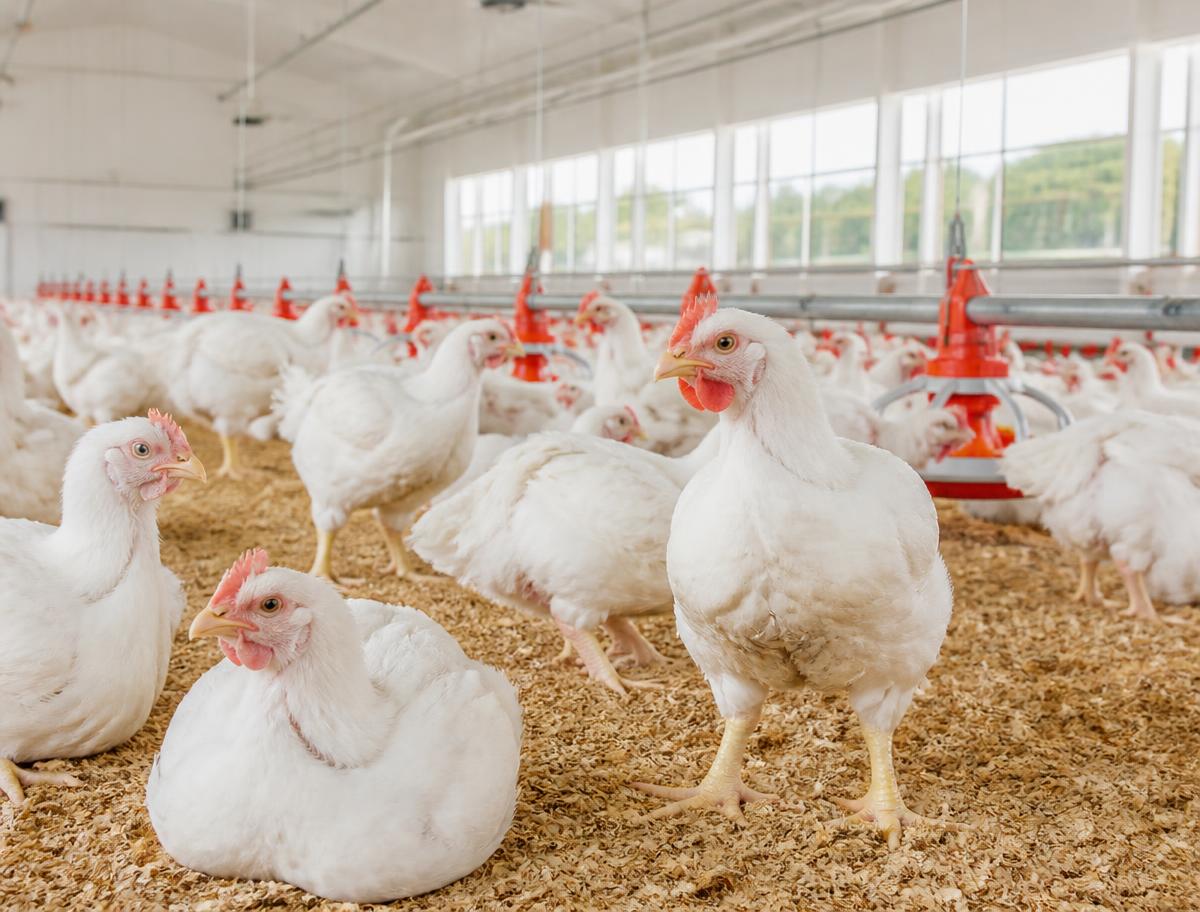
Japanese microalgae biotechnology explored in broiler and layer production.
This page separates published or source-supported observations from results that still require further verification and local validation.
7 records4 source verification in progress
What has been explored
Broilers
Growth, mortality, market weight and feed-related observations across full production cycles.
Layers
Laying rate, discarded eggs, egg quality and summer heat-stress context.
Production environment
Commercial poultry farms, with controlled comparison groups where the source records provide them.
Evidence Library — Poultry
Each record below describes one trial or one set of farm observations: the setting, the groups, the comparison and the figures exactly as they appear in the source material. Open a record for the full context.
Evidence type and source status are separate. A structured field trial can still be awaiting source verification, and records without an attached publication or link are labelled “Source verification in progress”. Field notes are shown apart from measured outcomes, and no figure here is presented as a guaranteed or transferable outcome.
4 records shown · 3 marked “Source verification in progress”
Developer-published field dataSource verified
Broiler chicken
JapanCommercial broiler house (farm in Miyazaki Prefecture, identified only by a company code on the developer's published page)Grow-out to market weight
Growth rate (survival): 94.908% → 98.413%
Mortality (100 − growth rate): 5.1% → 1.6%
Average market weight: 3.081 kg → 3.252 kg
In this production cycle, the developer's published field record reports a growth (survival) rate of 94.908% in the control group and 98.413% in the treated group, an average market weight of 3.081 kg versus 3.252 kg, and a feed conversion ratio of 1.652 versus 1.623. The control group was approximately twice the size of the treated group. The figures are published by the technology developer and have been checked against that public page; this is field evidence, not an independently verified or peer-reviewed conclusion.
Commercial field observation2024Source verification in progress
Broiler chicken
JapanCommercial broiler houseGrow-out to market weight
Mortality: 4.2% → 1.8%
Growth rate: 95.8% → 98.2%
Market weight: 3.01 kg → 3.14 kg
A 49-day broiler cycle with two groups of 10,000 birds recorded lower mortality and higher growth rate and market weight in the treated group. This is producer-reported field data held in owner source materials and is labelled as such until a publicly checkable source is attached.
Structured field trial2022Source verification in progress
Broiler chicken
JapanCommercial broiler houseGrow-out to market weight
Mortality: 5.0% → 2.5%
Growth rate: 99.62% → 102.35%
Market weight: 3.056 kg → 3.126 kg
A 47-day broiler cycle with two groups of 3,400 birds recorded lower mortality and higher growth rate and market weight in the treated group. The figures come from owner source materials and are not yet matched to a publicly checkable source. Later work reportedly pointed to a different dilution and timing, so this record is trial context rather than a recommended protocol.
Structured field trial2023Source verification in progress
Broiler chicken
JapanCommercial broiler houseGrow-out to market weight
Mortality: 3.8% → 1.2%
Growth rate: 94.9% → 98.7%
Market weight: 3.11 kg → 3.14 kg
A 49-day broiler cycle with two groups of 12,000 birds recorded lower mortality and slightly higher growth rate and market weight in the treated group. The figures come from owner source materials and are not yet matched to a publicly checkable source. Field notes mention good appetite and firmer litter and state that no antibiotics were used in either group; these notes are kept separate from the measured outcomes.
Every record above describes one trial or observation. The next step is always local validation in your own environment.
Records from Japan are a starting point, not a prediction for your house. A short local comparison under your own climate, genetics, feed and management is what makes the data yours.
Mortality and survival across the full cycle
Body weight and growth rate at fixed weigh points
Feed conversion where your system can measure it
Laying rate for layer flocks
Egg quality and discarded / non-standard egg rate
House temperature and heat-stress conditions
Medication and antibiotic context during the period