Aquaculture is MEGUMI's first international focus. This page lists what has been explored, what was observed, and how far each record has been verified.
Fish and shrimp, across several production environments.
Why aquaculture first
Aquaculture carries the largest accumulated field experience in the source materials, it is central to food security in the Middle East and Africa, and its production cycles make structured local measurement practical.
What has been explored
Fish and shrimp, across several production environments.
Fish: flounder, rainbow trout, yellowtail, grouper and others
Shrimp: closed-system and commercial pond production
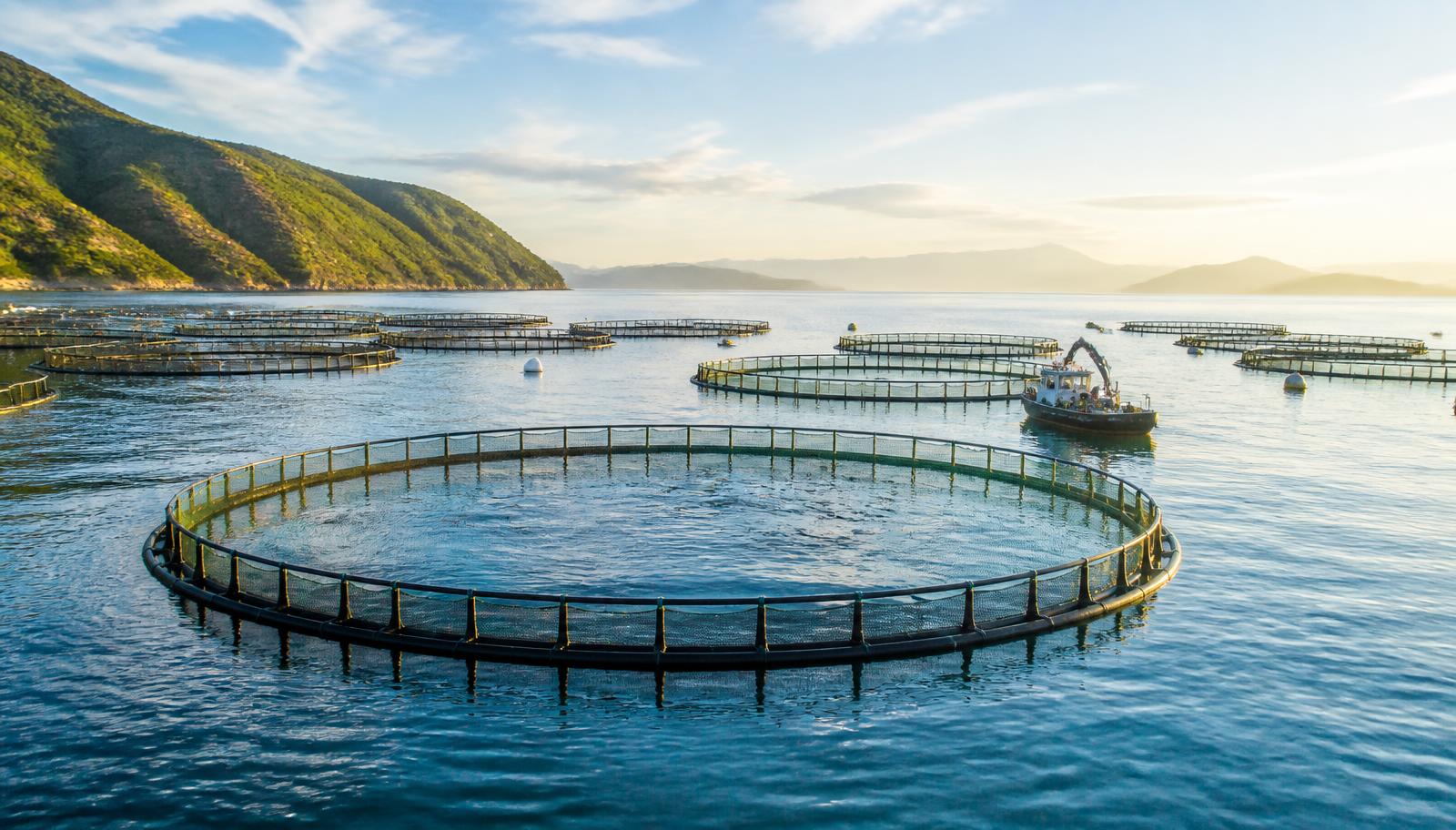
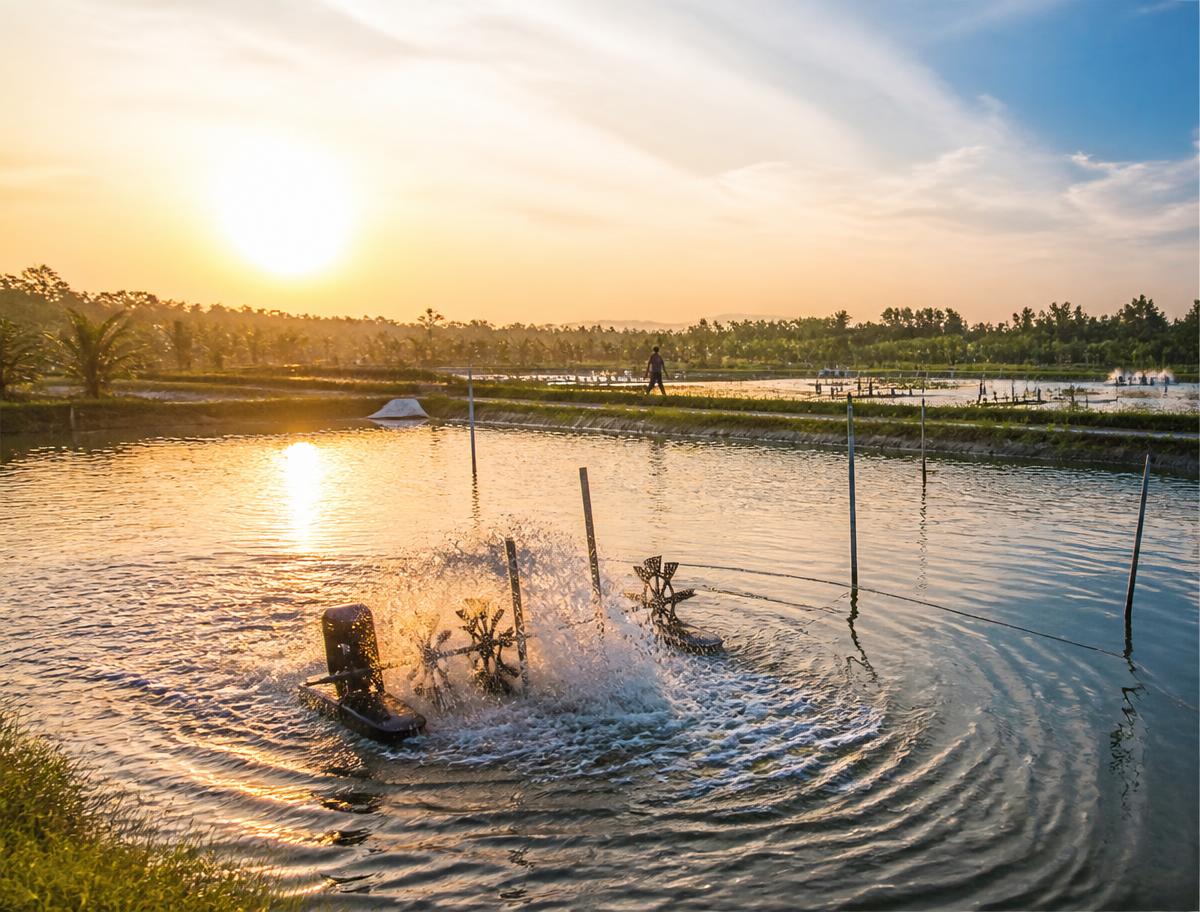
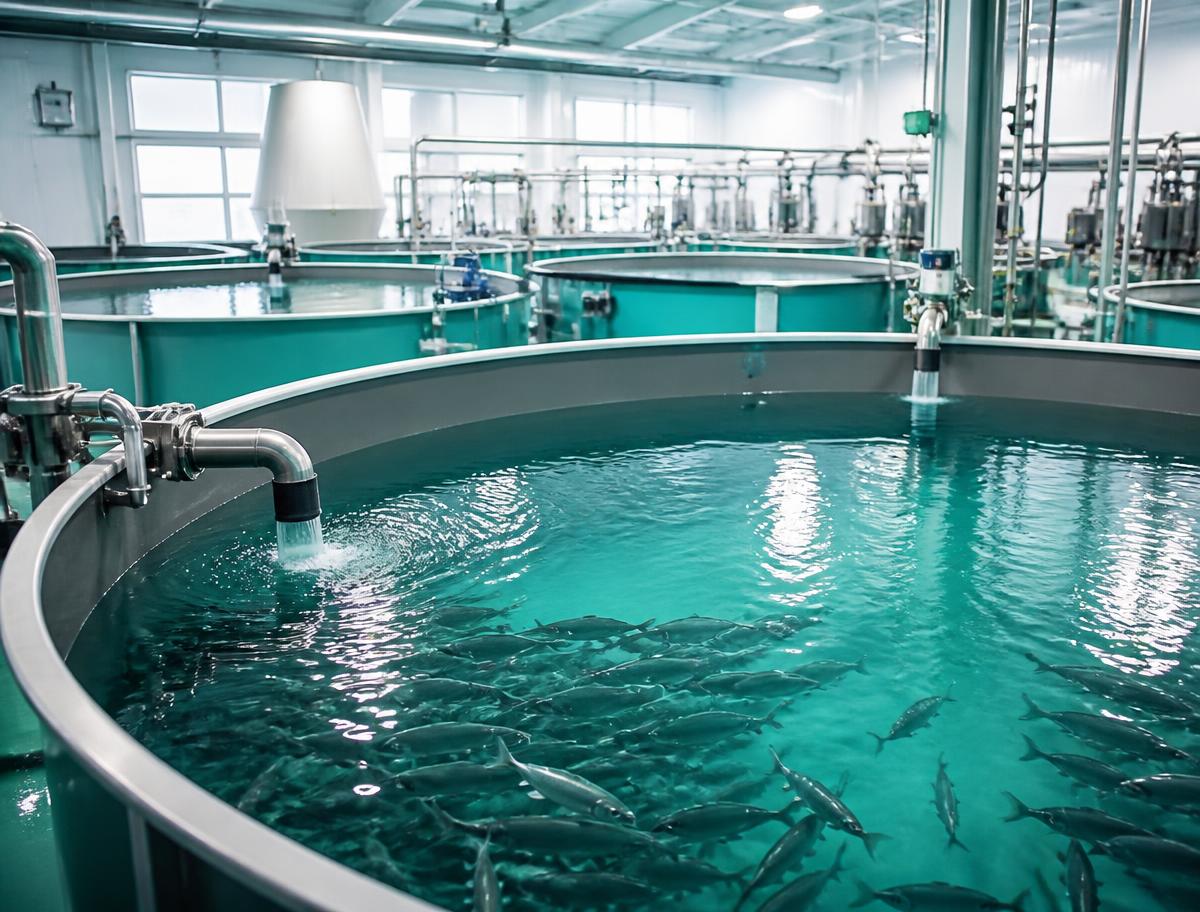
Environments: hatchery, pond, cage, marine and land-based systems
Conditions: including summer high-water-temperature periods
PondLand-basedResearch
Evidence Library
Each record shows species, setting, what was observed and its evidence status. Records are expandable.
Where a source figure has not yet been formally verified, the record shows qualitative language and a verification label instead of numbers.
Published research2024Source verified
Hirame / Japanese flounder
JapanCommercial flounder farm, Saiki City, Oita Prefecture
Survival
Growth
Gene-expression analysis related to lipid metabolism and innate immunity
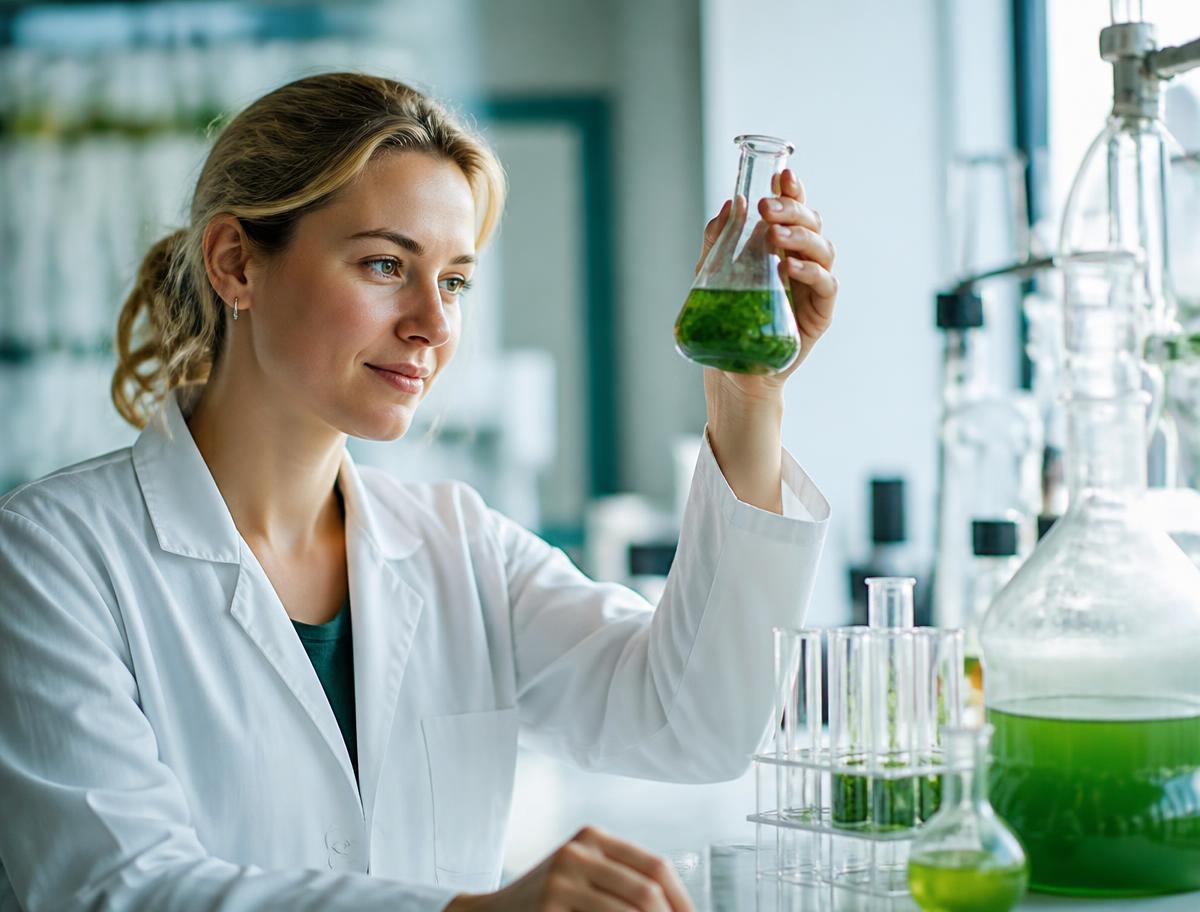
A 2024 Japanese publication reports two field trials at a flounder farm in Saiki City, Oita Prefecture, where a microalgae-derived extract was mixed into feed. The report describes observations relating to survival and growth compared with the control, with gene-expression findings discussed in relation to lipid metabolism and innate immunity. These findings belong to that specific species and production setting and are not used as a performance benchmark for other aquaculture applications; local validation is still required elsewhere.
Farmed fish (flounder and other aquaculture species discussed)
JapanAquaculture under high-water-temperature conditions
Discussion of seedling robustness and high-water-temperature relevance
A June 2026 aquaculture trade feature discusses the microalgae-derived material, seedling robustness in farmed fish, and the possible relevance of this work to high-water-temperature conditions. It is published context for why the topic is being studied, not evidence of a guaranteed outcome under heat stress.
A Japanese flounder producer in Saiki City publicly describes mixing the microalgae-derived material into feed as part of its rearing method and reports greater body weight and practical operating experience. This is real-world producer context, published by the producer itself, and should be read separately from peer-reviewed or academic evidence.
Institutional/university researchSource verification in progress
Fish (research species)
JapanResearch facility
Health and immune response markers
Feed efficiency
Growth
Owner source materials describe collaborative university research in Japan examining health and immune response markers alongside growth and feed efficiency. The institution and reference are still being confirmed and the material remains source verification in progress, so no verified performance conclusion is published from this record.
Structured field trialSource verification in progress
Banana shrimp
JapanClosed culture system with high-solubility oxygen supply
Time to market size
Average weight
Banana shrimp records from a collaborative closed-system trial in Japan include observations relating to time to market size and average weight. The microalgae-derived material was used together with a high-solubility oxygen supply, so the contribution of the two factors cannot be separated from this record. The observations come from owner source materials and remain source verification in progress. They are presented as field-trial context rather than verified performance results.
Commercial field observationSource verification in progress
Nijimasu / rainbow trout
JapanFreshwater farm production
Growth / body weight
Feed efficiency
Crowding-related stress issues
Rainbow trout field-use records from Japan include observations relating to growth, body weight, feed efficiency and crowding- or stress-related conditions. These observations come from owner source materials and remain source verification in progress. They are presented as field context rather than verified performance results.
Exploratory/source materialSource verification in progress
Nijimasu / rainbow trout
JapanElevated water temperature
Condition under elevated water temperature
Early, exploratory observations at elevated water temperature. Too preliminary to support any expectation and listed here only for transparency.
Exploratory/source materialSource verification in progress
Shrimp
VietnamCommercial shrimp production
To be defined by the evaluation
A shrimp field evaluation outside Japan is described as under way. No results are reported here.
Exploratory/source materialSource verification in progress
Masaba / chub mackerel
JapanBroodstock and egg development
Fertilisation
Hatching
Exploratory reproduction work has looked at fertilisation and hatching. This is early research, not commercial proof.
Exploratory/source materialSource verification in progress
Multiple fish species
JapanVarious commercial aquaculture environments
Practical usability across farms
Farm-level production records
Source materials report extensive accumulated field experience in Japanese aquaculture over many years. The scale figure is held back from publication until a formal evidence record is attached.
Exploratory/source materialSource verification in progress
Buri / yellowtail and sujiara / grouper
JapanMarine cage aquaculture
Farm production records
Marine aquaculture observations exist for yellowtail and grouper. Results are not summarised here because verified figures have not yet been entered.
What should we measure locally?
A first international trial should define these before it starts.
Species, life stage and stocking density
System type: pond, cage, RAS, hatchery or land-based tank
Water temperature, oxygen and quality readings through the period
Feed type, feeding routine and inclusion method
Growth and body weight at defined intervals
Survival and mortality records
Feed conversion where the farm can record it
A comparison group under the same management
Japanese experience provides a starting point. Local conditions still matter.
Test it in your own environment
Start with a small trial, then move to a structured pilot if the first observations are interesting.