Poultry production

Feed Conversion Ratio in Poultry

Feed efficiency is one of the clearest ways to understand whether a production change matters commercially. MEGUMI starts with Japanese broiler field experience, then measures performance under your own feed, climate, genetics and farm conditions.

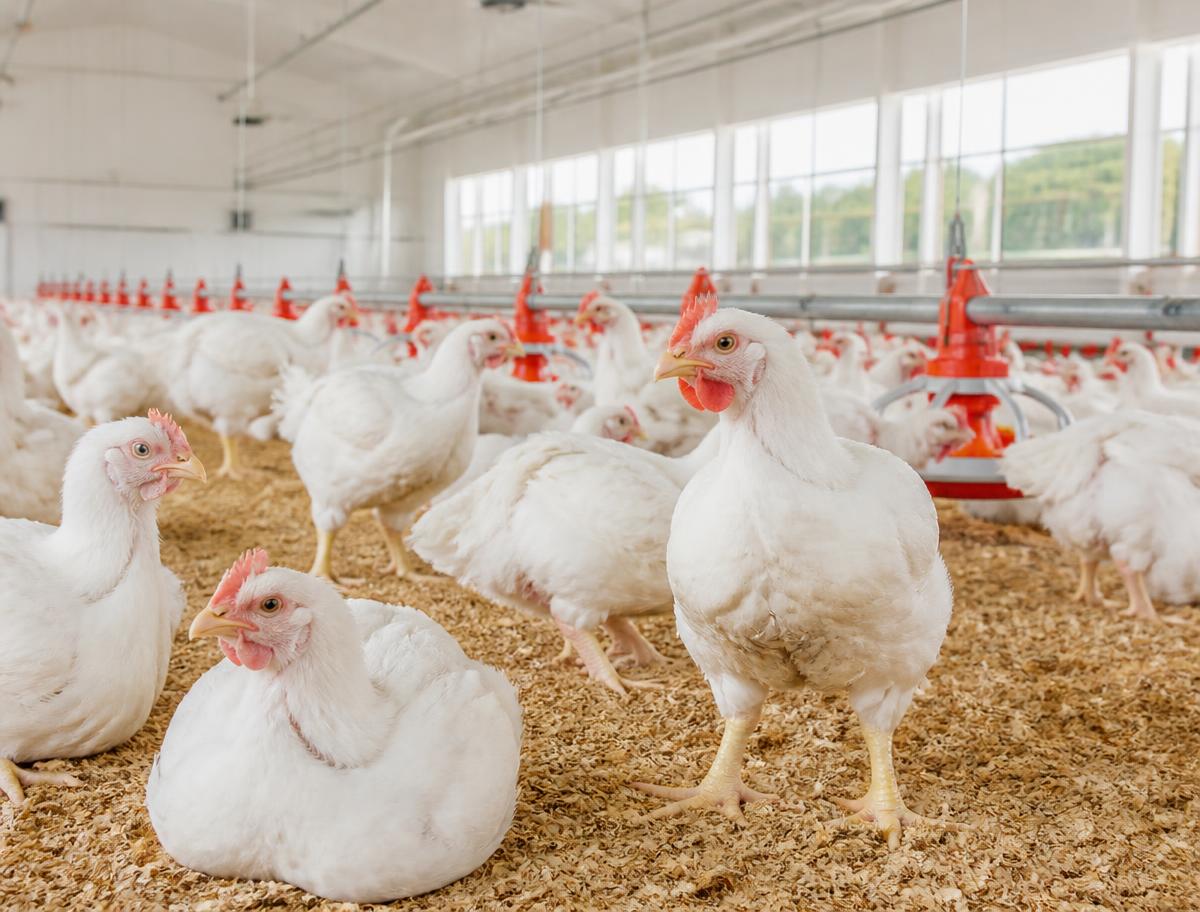
Broiler birds in a bright commercial poultry house

What does feed conversion ratio tell a poultry producer?

Poultry feed conversion ratio compares the feed consumed with the body-weight gain achieved. A lower FCR generally means less feed was required for the same amount of weight gain. In practice, FCR poultry figures should always be read together with mortality, growth rate, market weight, flock health and the management conditions of that cycle.

Formula

FCR = Feed consumed ÷ Body-weight gain

Measured over the same period, for the same group.

Why FCR matters commercially

Feed cost

Feed is usually the largest single cost in broiler production, so small differences in efficiency are felt across the whole flock.

Growth and market weight

Feed efficiency only makes commercial sense when read next to the weight actually delivered at shipment.

Mortality and culls

Birds lost during the cycle consumed feed. Mortality changes how an FCR figure should be interpreted.

Overall production efficiency

FCR, survival, growth and market weight together describe whether a production change was worth making.

What have Japanese broiler field records observed?

Japanese broiler records include feed-efficiency observations alongside mortality, growth and market-weight data. MEGUMI keeps each result tied to its specific trial record and source status.

Developer-published field dataSource verifiedJapan · commercial broiler house

Japanese Broiler Field Record — 49-Day Production Cycle

49-day average age at shipment (cycle year not stated on the published page) · Control 20,800 birds · treated group 10,400 birds (the control group was approximately twice the size of the treated group)

MeasurementControlTreated group
Reported growth/survival rate94.908%98.413%
Mortality (100 − growth rate)5.1%1.6%
Average market weight3.081 kg3.252 kg
Feed conversion1.6521.623

The control group contained approximately twice as many birds as the treated group (20,800 versus 10,400), which is essential context for reading this comparison. These figures are published by the technology developer and have been checked against that public page: field evidence, not an independently verified or peer-reviewed conclusion, and not a guaranteed or transferable outcome.

The next question is your farm

A Japanese result is the starting point. Commercial adoption needs your own data. A local Starter Trial can measure feed conversion together with mortality, body weight, daily gain, market weight and environmental conditions under the same farm management.

  • Feed intake
  • Body weight / daily gain
  • Feed conversion ratio (FCR)
  • Mortality / culls
  • Market weight
  • Temperature / heat-stress context
  • Comparator group under the same management

Heat-stress periods are recorded as context, not as a separate claim.How the technology works

Measure it under your own conditions

Tell us your country, flock type, approximate scale and what you want to improve. We will review whether a small local trial is a practical next step.

Starter Trial → Online Discussion → Structured Pilot

Common questions

What is a good FCR in poultry?

There is no single FCR target for every flock. Genetics, age, feed, climate, housing and management all affect the number. The useful comparison is often performance under matched farm conditions, measured over the same cycle with the same management.

Should FCR be evaluated by itself?

No. Feed conversion ratio should be read together with mortality and culls, body weight and daily gain, market weight and the house conditions during the cycle. A flock can show a lower FCR while other parts of the production result move in a different direction.

Can MEGUMI be tested without changing the whole farm routine?

A Starter Trial is designed to sit inside your normal management. Typically one house or group is compared with a control group under the same feed, genetics and routine, so the comparison stays practical and the farm keeps running as usual.

What should be measured in a local broiler trial?

Feed intake, body weight and daily gain, feed conversion ratio, mortality and culls, market weight, and house temperature or heat-stress context — always alongside a comparator group kept under the same management.